
This documentary is the historic audiofonico expedition in Lucania to Ernesto de Martino of 1952 and is a montage of the recordings of traditional music, performed by Diego Carpitella and Ernesto de Martino, on old photographs and historical footage.
A documented narrative of notes taken in Lucania by Ernesto de Martino and "expedition in Lucania" of 1952, in which they recount in detail the meetings with the rural civilization which is now largely gone.
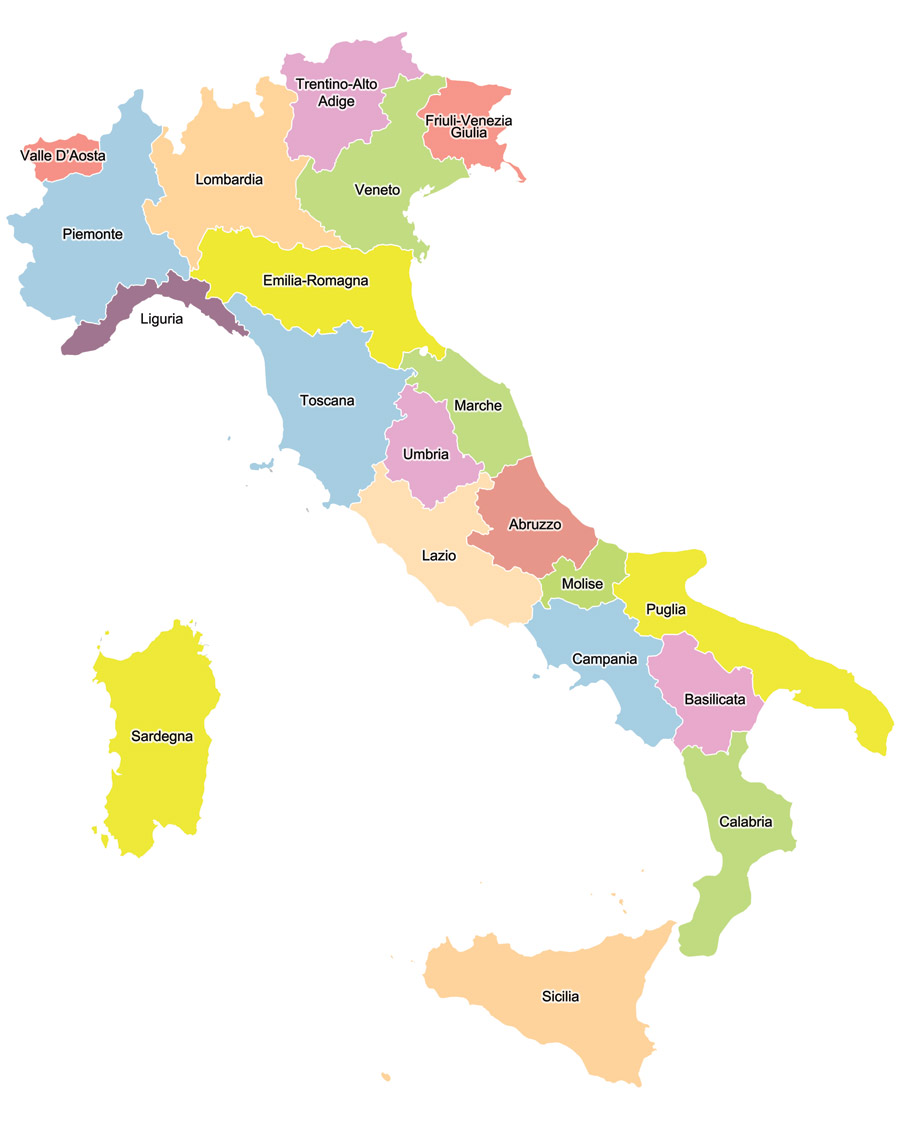
Shipping in Lucania (30 September-31 October 1952) is considered the birth of Italian ethnomusicology because for the first time you made field recordings according to organically Unitarians. Made with the technical means provided by RAI, within an anthropological survey carried out by a team composed of Ernesto De Martino, Diego Carpitella, de Palma, Franco Pinna and Marcello Venturoli, sound measurements affected the municipalities of Matera, Grottole, Ferrandina, Pisticci, Stigliano, Tricarico, Valsinni, Matera, Potenza, Marsico Vetere, Viggiano and Savoia di Lucania.
This ethnographic research poised between folk songs, spells and funeral songs was inspired by sudden revelation of an archaic and unknown world, a world revealed through the pages of "Christ stopped at Eboli" (1945) by Carlo Levi. The suggestion of a magic and mysterious land, which through its songs must have fascinated de Martino and his collaborators. Farmers ' knowledge of the music of our country was still very poor. For at least a century had collected folk songs lyrics, based on a literary interest romantic musical aspects, but array, in the absence of sound recordings, very little was known. Realizing, in his early field experiences, of how music could portray significantly agro-pastoral world cultures, De Martino wanted to tackle an expedition for the first time took care to document systematically, with registration, even musical expressions of the different communities: since then, the campaign of detection in Basilicata is considered as the date of birth of ethnomusicology italiana.
That memorable expedition was also the outcome of a happy confluence of research, cultural interests, institutional and social political commitment demonstrated by the fact that it was supported by the then National popular music Studies Center and RAI, also from a more articulated front that included several magazines and cultural associations as well as major political and Trade Union forces.
The recordings reveal a musical world of unimaginable wealth and quality: extraordinary female vocals, bagpipe and accordion players, singing to the gloomy, in the most diverse repertoires, from lullabies to funeral laments, by work songs to songs of questing, from tarantellas childish songs. The music really pervaded the lives of those peasants and shepherds who experienced a surprising capacity for joy, celebration, joke, humor, creativity and poetry. With a rich critical apparatus, which for the first time addresses in depth the transcription of the poetic text of the songs.


 info@youfolklore.com - staff@youfolklore.com
 39 329 4493762

Nessun commento